


Steel plants boost efficiency with in-house scrap processing
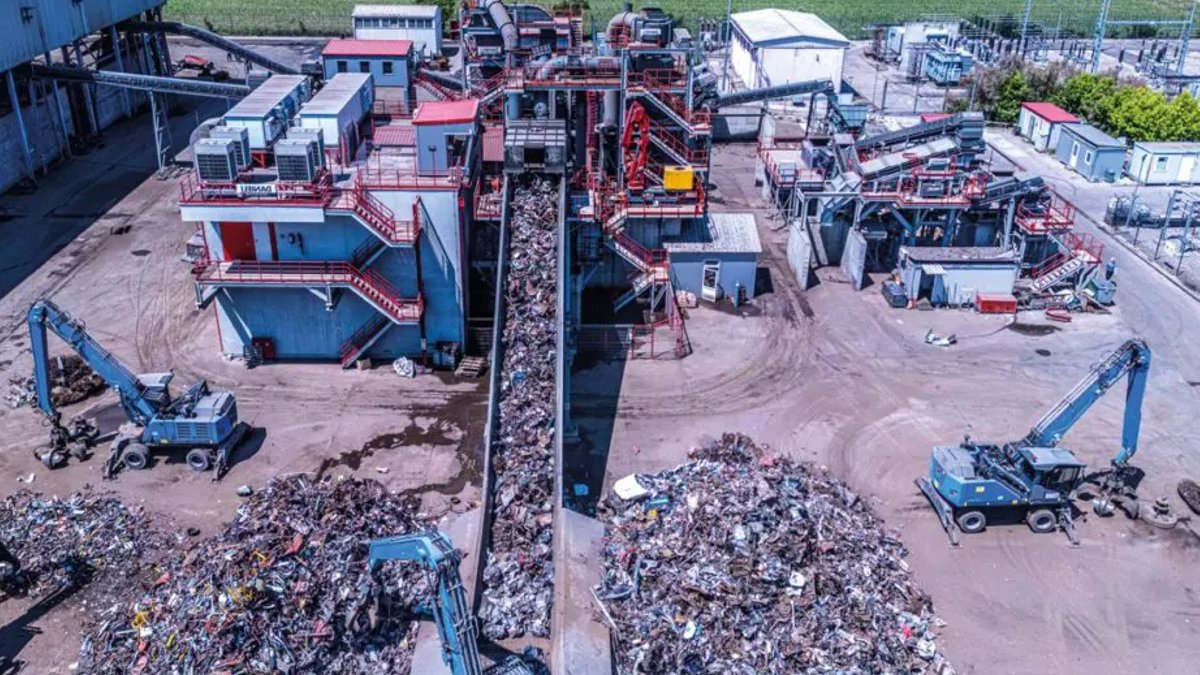
Advanced scrap-processing technology is transforming the steel industry. What were once considered logistical backwaters are now essential hubs for managing efficiency, emissions, and raw material standards. By embedding scrap preparation directly into steelmaking workflows, producers eliminate inconsistencies, slash energy consumption, and create a tighter connection between recycling and production.
Bringing scrap processing inside steel plants
Steel producers now face three key demands: improving operational efficiency, reducing carbon emissions, and securing a steady supply of high-quality scrap. The answer lies in shifting scrap preparation from external suppliers to in-house facilities. This integration allows manufacturers to standardize inputs, minimize energy waste, and enhance both output and sustainability.
Two facilities, one in Serbia and another in Chile, illustrate this approach in action. Metalfer in Serbia and Aza in Chile have each installed fully integrated scrap-processing lines using Danieli’s technology. Both now handle scrap preparation on-site, ensuring quality before it enters the furnace. The outcome includes lower energy use, fewer production interruptions, and more consistent steel output.
Metalfer’s operation in Sremska Mitrovica, Serbia, processes 250,000 tonnes of shredded scrap each year. A high-capacity shredder equipped with a patented inverter drive system reduces energy consumption by up to 15% during processing. A downstream ferrous separation system removes impurities, while a flexible production line recovers high-purity Zorba, a byproduct repurposed in steelmaking. The plant now supplies 50–60% of every furnace charge, cutting reliance on external scrap sources and stabilizing furnace performance.
Read Also: Domestic Steel Policies Reshape Global Markets
Branko Zečević, president of the Metalfer Group, highlights the benefits. He notes that furnace performance has improved significantly, particularly in terms of operational stability and reduced energy consumption. Productivity levels have also increased, and product quality has become more consistent. The company’s endless rolling mill, installed in 2018, further boosts efficiency by enabling near-continuous production with minimal interruptions.
Zečević emphasizes that the core advantage comes from full integration. By partnering with a single supplier for both scrap processing and rolling operations, Metalfer eliminates handoff delays and maintains consistent quality control. He states that by upgrading scrap quality at the very start of the process, it ensures smoother and more predictable operations downstream.
In Chile, Aza Acero Sostenible operates a mini-mill near Santiago that depends entirely on scrap as its primary feedstock. The company recently activated a 200,000-tonne-per-year shredding facility featuring a 4,000-horsepower shredder with an inverter drive system, designed to cut energy use while maximizing metal recovery. A ferrous separation line and a flexible system for non-ferrous material recovery complete the setup.
Leonardo Aravena, Aza’s scrap yard manager, confirms the results exceed expectations. Like Metalfer, Aza now controls scrap processing internally, reducing dependence on outside suppliers and tightening oversight of raw material consistency.


