


Britain debates feasibility of Norway‑style wealth fund
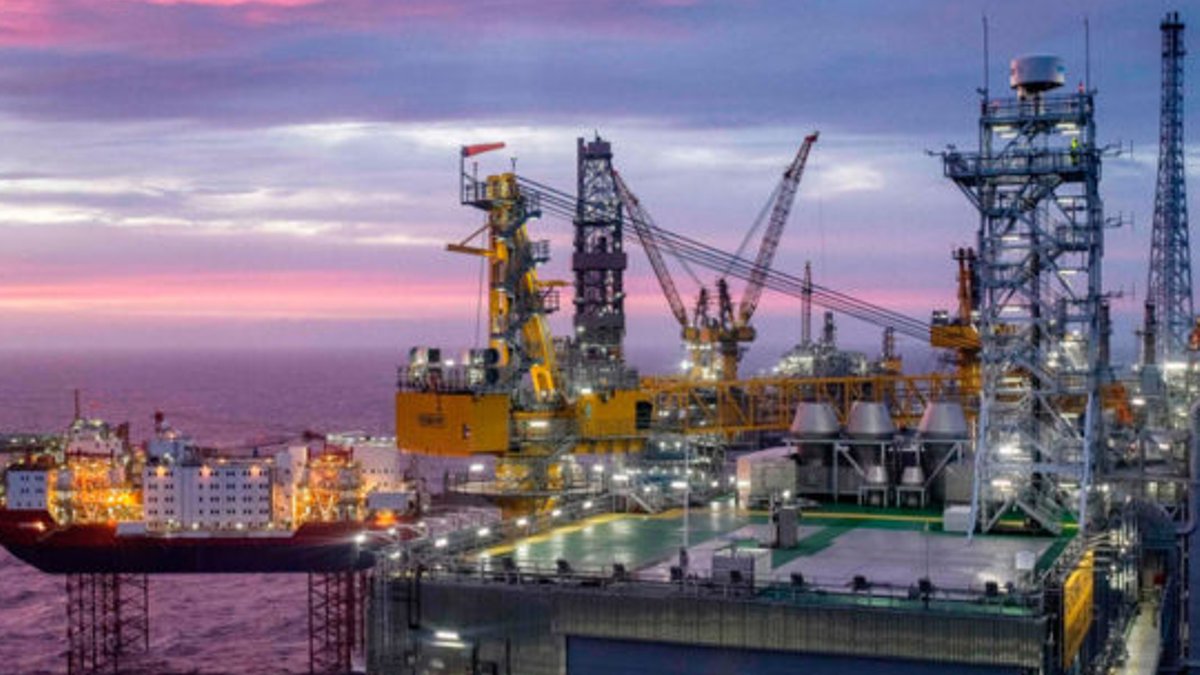
The North Sea oil fields that made Norway a financial powerhouse could have done the same for Britain. Instead, the UK spent its share and now carries a £2.8 trillion national debt, borrowing just to cover daily expenses. The difference with Norway’s $2 trillion sovereign wealth fund—built from the same oil—stands out sharply.
How Norway turned oil into a $2 trillion fortress
Norway’s strategy treated oil as a limited resource rather than a sudden windfall. The Government Pension Fund Global, established in 1990, channels all petroleum revenues into a globally diversified portfolio. It now owns 1.5% of all listed companies worldwide, holding stakes in major US tech giants.
The fund follows strict guidelines. Only the expected long-term return, around 3% annually, is spent, protecting the principal for future generations. Managed independently by Norges Bank Investment Management, it has largely avoided political interference. The outcome means every Norwegian effectively owns a share worth hundreds of thousands of dollars.
The country’s discipline wasn’t accidental. The first deposit arrived in 1996, but preparations began decades earlier. In 1960, Prime Minister Einar Gerhardsen claimed sovereignty over the Norwegian continental shelf. By the time oil was discovered in 1969, the framework for long-term savings was already set.
Britain’s choice: spend now, pay later
The UK extracted about £400 billion in North Sea oil revenues between 1975 and 2022. None was saved. The money went into general spending, funding unemployment benefits, redundancy payments, and the costs of deindustrialization during Margaret Thatcher’s government. Economists like Wynne Godley had warned of this outcome in the 1970s, proposing a fund similar to Norway’s. The Labour government at the time dismissed the idea.
Related: HP EliteBook X G2q 14 Tested
The decision wasn’t due to lack of knowledge. Britain had the resources, expertise, and model to follow. It simply lacked the will to delay gratification. Successive governments spent future earnings in the present, leaving nothing behind. The consequences are now clear. While Norway’s fund expands, the UK borrows just to maintain basic services.
The North Sea’s output has declined since the late 1990s, with fewer new projects and reduced exploration. The Energy Profits Levy (EPL), introduced in 2022 to tax windfall profits, will push the effective tax rate on oil and gas operators to 78% by 2026.
The conflict is unavoidable. The UK aims for net zero but still depends on fossil fuel revenues. High taxes on the sector discourage the investment needed to sustain it. Meanwhile, the country imports gas from Norway and Qatar, creating an economic and environmental contradiction. If Britain wanted to adopt Norway’s approach now, it would face a weaker starting point: a mature basin, lower output, and less time.
For those living near the North Sea’s fading rigs, the issue is personal. Jobs that once supported entire towns are disappearing, and the tax revenue that could have eased the transition was spent long ago.
Could Britain still build a fund now?
The challenges extend beyond money. Norway’s fund succeeds because governments can’t easily access it. Britain’s political system, with its short electoral cycles and focus on immediate results, has never maintained a long-term fiscal tool. The Treasury would need protections strong enough to survive multiple governments—a cultural shift, not just a technical one.
Related: Olectra Deploys 4000 Electric Buses in India
The biggest hurdle may be political. Creating a sovereign wealth fund would require renewed North Sea investment, meaning changes to the EPL and a public case for increased fossil fuel extraction. In 2026, that argument is politically difficult, even where the economic logic holds. A tiered tax system, like Norway’s, could help—higher rates on mature fields but incentives for new drilling. That would mean accepting that net zero goals sometimes conflict with fiscal needs.
Other revenue sources, such as offshore wind leases or carbon credits, could supplement oil income. The hardest part, though, is managing public expectations. This isn’t a short-term solution. It’s a 30- to 40-year effort. No current politician would see it completed. The case must be made for future generations, just as Norway did in 1990.
The economics are feasible. The real question is whether Britain can change a political culture that has consistently prioritized present comfort over future stability.
A tech leader recently argued that long-term strategy requires similar discipline in other sectors.

Tech leader puts AI at the core of strategy

2026: The Year of the Rollback
Related Articles
 Referral Watch

