


Experts warn CSR alone can mislead health insurance buyers
The Claim Settlement Ratio (CSR) stands as the primary benchmark for consumers evaluating health insurance, yet overemphasizing this single figure can lead to misguided decisions. Industry professionals argue that the metric, calculated as the share of claims an insurer approves, ignores broader aspects of service quality and financial fairness in payouts.
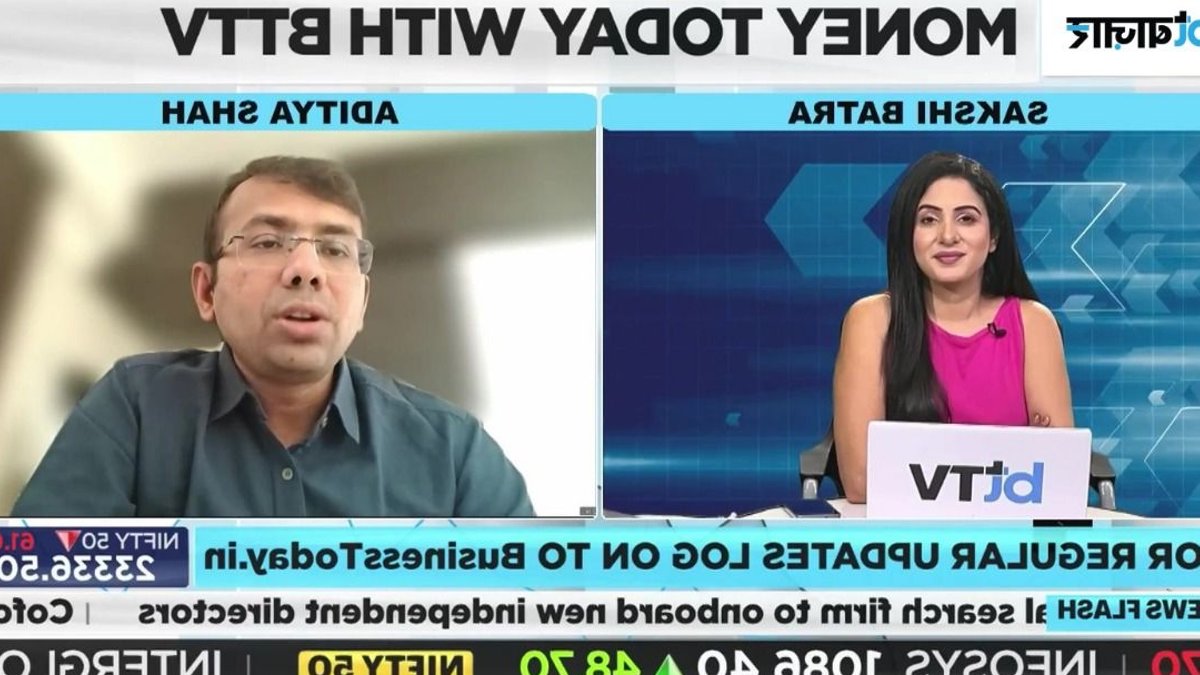
Financial advisor Aditya Shah, founder of Hercules Advisors, points out that the CSR measures approval rates, not actual reimbursement amounts. A company might process 95% of claims but pay out only a small fraction of the requested sum. For instance, a ₹100 claim could be approved but settled at ₹5, yet the insurer’s CSR would still appear robust. Shah stresses that this gap between approvals and payouts can leave policyholders significantly undercompensated during medical emergencies.
Read Also: Solar Industries acquires Omnia Holdings for $1.355 billion
Beyond the CSR, complaint ratios and incurred claims ratios offer critical context. The incurred claims ratio reveals how much an insurer disburses per ₹100 of premium collected, serving as a direct indicator of financial responsibility. Meanwhile, complaint data exposes recurring problems, such as processing delays or disputes, that the CSR alone does not address.
Customer experience during claims becomes the true litmus test, especially as medical expenses rise. Shah advises that while experienced insurance agents can provide insights into an insurer’s history, buyers should also consult independent reviews and regulatory filings. These sources often highlight inconsistencies that metrics like the CSR fail to capture.


