


Five European leaders driving the sustainability movement
The pandemic shifted how many Europeans think about what they buy. A survey by management consultancy Accenture found that 60 percent of consumers say they have started making more environmentally friendly, sustainable or ethical purchases since the onset of the pandemic in 2020. That shift is showing up in the business world too, with venture capital firms pouring money into purpose-driven start-ups even during the COVID-19 crunch. Here are five of Europe’s sustainability pioneers, each working in a different corner of the green economy.
Oatly and the plant-based boom
The non-dairy milk market is predicted to reach revenues of over $38bn by 2024, and Swedish oat milk-manufacturer Oatly has ridden that wave directly. Founded in the 1990s, the company states its aim as: “to make it easy for people to turn what they eat and drink into moments of healthy joy, without recklessly taxing the planets’ resources in the process.”
Oatly has partnerships with major retailers such as Starbucks, and is now said to be seeking a valuation of close to $10bn as it prepares to go public on the US stock exchange. Its sales have soared as ethically-driven consumers seek alternatives to traditional dairy products. This growth trajectory mirrors a broader shift in consumer expectations that now pressures even the largest corporations to act on social and environmental concerns.
EO Charging and the EV infrastructure gap
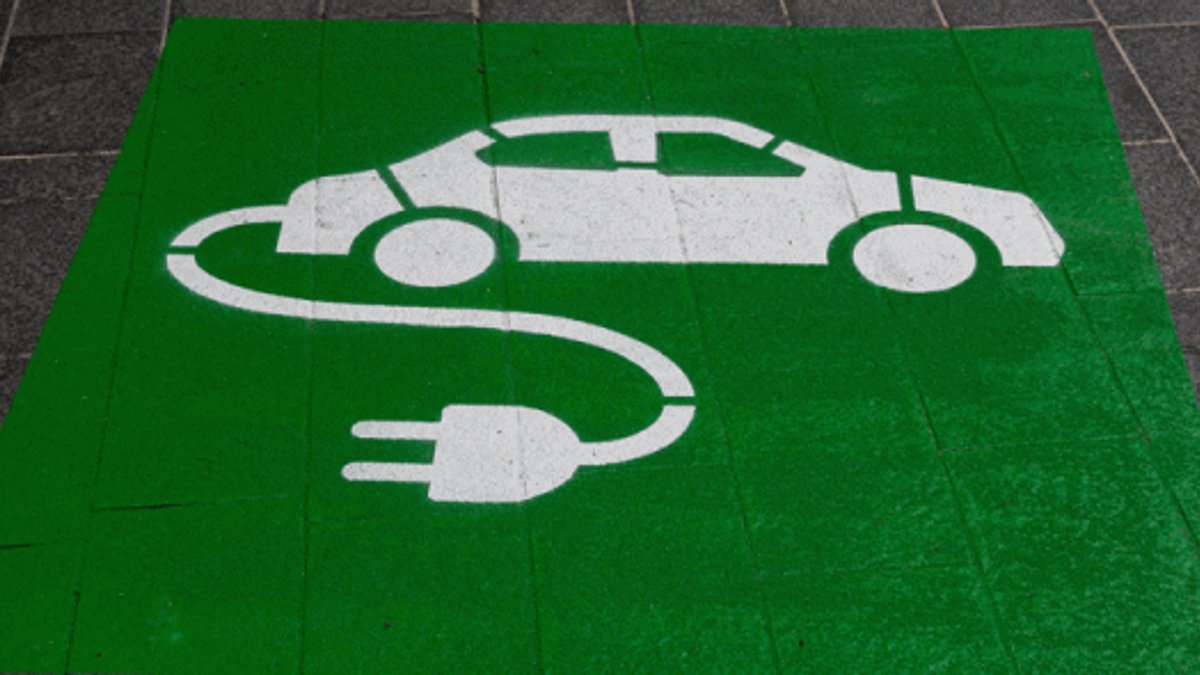
While global car sales fell by around a fifth during the pandemic, sales of electric vehicles rose by 43 percent. That jump creates an obvious problem: charging infrastructure has to catch up. Based in the UK, EO Charging is one of Europe’s leading manufacturers of electric vehicle charging ports, having sold more than 30,000 charging points in over 30 countries in the five years since its launch. The company works with high-profile partners such as Uber, Sainsbury’s and Ocado to facilitate a transition to EV, and was recently named among the Financial Times’ fastest growing companies in Europe.
Related: Modern Mayoralty for the Digital Age
The work-from-home shift of 2020 encouraged a reassessment of transport usage, and that reassessment appears to be sticking. It is a practical problem with a clear solution, and the firm is positioned to scale quickly.
Cellugy tackles plastic with food waste
Plastic pollution has come into sharp focus over the past 12 months, with discarded single-use masks becoming an all too common sight since the start of the pandemic. Based in Aarhus, Denmark, Cellugy is a biotech start-up committed to helping bring an end to plastic pollution through alternative forms of packaging. Its product, called EcoFLEXY, is a durable material designed for use in the packaging industry. Made from recycled food waste, the product is all-natural, fully recyclable and biodegradable.
In a recent seed round, the company raised €2.38m from the European Innovation Council Accelerator, which will allow it to scale-up production. The practical reality here is that packaging waste doesn’t disappear just because consumers want it to. Companies like Cellugy are betting that a material which performs the same job as plastic — but breaks down naturally — can win on merit, not just on sentiment. Whether that holds up at industrial scale is the question the new funding will help answer.
RanMarine’s WasteShark cleans waterways
An unexpected side effect of the COVID-19 pandemic has been the increase in marine litter pollution. Plastic gloves, single-use masks and other forms of PPE have been washing up on beaches across the globe, threatening the health of marine life. Dutch drone technology firm RanMarine is the company behind the WasteShark, a product designed to clear plastic and other waste from waterways.
Related: Britain debates feasibility of Norway‑style wealth fund
The device has a 10-hour ‘swimtime’ and is able to clear 500kg of debris from the water each day. Users can control the device remotely and monitor its progress in real time. The firm secured a Series-A investment in 2020, allowing it to scale-up operations this year and beyond.
Meatless Farm chases unicorn status
In the UK, sales of plant-based foods hit £1bn for the first time, with market research company Kantar finding that 13 million consumers had bought meat-free substitutes and dairy-free milk. Fully-vegan companies such as Meatless Farm have seen their sales soar as demand grows. The British firm is on track to record £50m in sales in 2021, with founder Morten Toft Bech setting his sights on an eventual $1bn valuation.
If achieved, this will make the Meatless Farm a rare ‘unicorn’ company. After a ‘Veganuary’ sales bump — which saw global sales rise by 92 percent compared with the same month in 2020 — 2021 is already shaping up to be a momentous year for the firm. The race for scale is on, and the winners will likely define the next decade of food retail.

Modern Mayoralty for the Digital Age


