


Domestic Steel Policies Reshape Global Markets
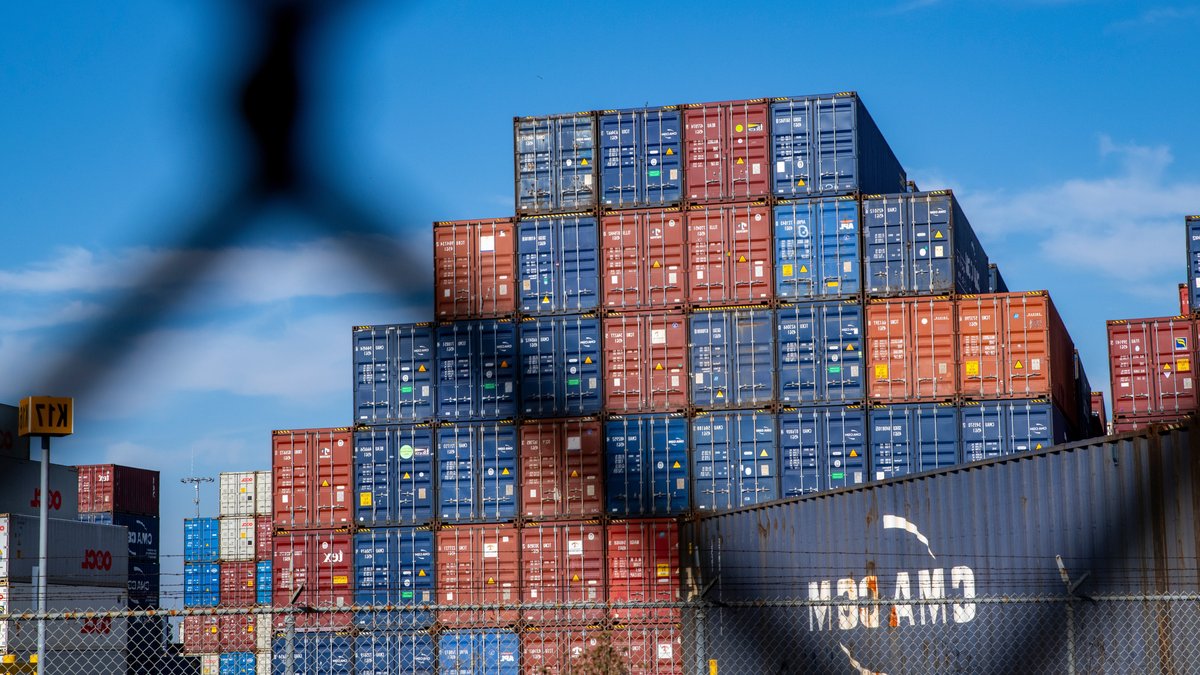
Growing restrictions on scrap exports and heightened efforts to shield domestic steel producers are reshaping global markets, according to the latest ferrous market outlook from the Bureau of International Recycling. The report, led by Shane Mellor, president of the ferrous division, highlights how trade policies are increasingly dictating competitive pressures across the steel value chain. Safeguard measures, anti-dumping actions, carbon-related mechanisms and broader industrial strategies are altering investment decisions and market positions.
Policy Measures Driving Market Shifts
Michael Gaylard, a board member from Sims in the United States, notes that policy intervention has become a key driver of global steel markets in 2026. Measures designed to protect domestic producers and promote local steelmaking are boosting mill utilisation in several regions, partially offsetting weak end-use demand. While these policies are unlikely to reverse broader market challenges in the near term, they provide a sturdier base for domestic production and should support a gradual recovery in recycled steel demand as conditions improve.
Sanjay Mehta offers an Indian perspective, estimating market conditions will improve gradually during the third quarter due to stronger construction activity, infrastructure spending and manufacturing demand. Indian steelmakers are expected to increase procurement as finished steel demand grows and inventories are replenished, though purchases will remain production-driven rather than speculative. The long-term outlook for recycled steel remains favourable in India, supported by expanding infrastructure investment, growing electric arc furnace capacity and the ongoing implementation of the Vehicle Scrappage Policy. Domestic generation, however, remains insufficient to meet industry requirements, leaving imported recycled steel as a vital component of the country’s metallics supply.
Challenges and Opportunities in Key Markets
In Germany, Denis Reuter describes a challenging environment for the recycling industry in the second half of the year. The EU’s new protective measures may improve capacity utilisation at European steelworks, supporting demand for recycled steel. Yet, a weak industrial economy, seasonal declines in recycled steel inflows and persistent logistical bottlenecks temper potential gains. Uncertainty from the volatile Turkish deep-sea market and geopolitical risks adds further pressure. For recyclers, security of supply, efficient logistics and adaptability to market conditions are becoming decisive competitive factors.
The UK market faces its own complexities. Tom Bird highlights the pending nationalisation of British Steel, which currently operates under government control, with required parliamentary legislation nearly complete. Speculation persists about potential nationalisation of Liberty Steel, though this remains uncertain. Additionally, concerns over electricity supply adequacy may delay the commissioning of a new electric arc furnace at Tata Steel’s Port Talbot facility, originally slated for late 2027, potentially pushing it into 2028 or beyond.


