


America’s own policies threaten the dollar
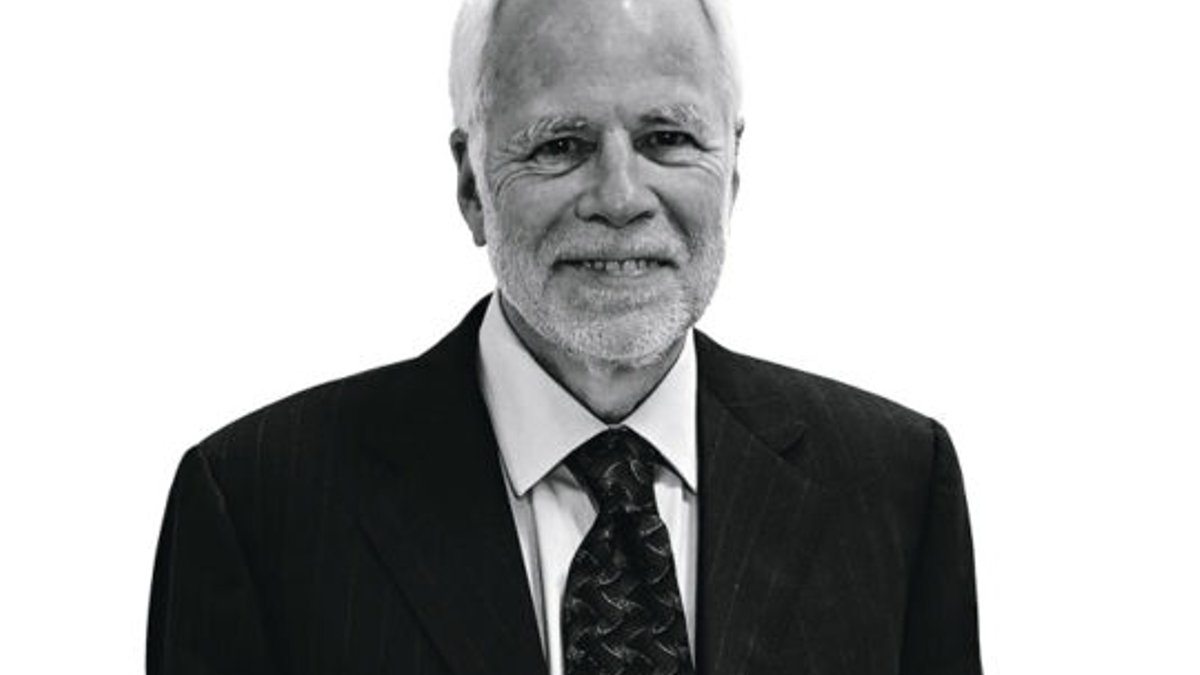
Barry Eichengreen, a professor of economics and political science at the University of California, Berkeley, suggests the dollar’s greatest threat is not foreign competition or a shift in global trade patterns, but rather domestic political instability within the United States. In his recent book Money Beyond Borders, the economic historian argues that the global dominance of the dollar relies on specific preconditions that are currently under pressure. Global investors must feel confident in the rule of law, the separation of powers, and the independence of the Federal Reserve. If these domestic pillars crumble, the dollar’s status as a reserve currency could erode, regardless of the strength of the U.S. economy.
The role of the Federal Reserve
Foreign central banks rely on the Federal Reserve to act as a lender of last resort, a function that underpins the global dollar system. The Fed provides dollar swap lines to foreign banks, allowing them to obtain U.S. dollars when markets are tight. This mechanism makes foreign central banks comfortable holding dollar assets, as they know they can access liquidity if their domestic banking systems face stress. However, Eichengreen worries that a shift toward isolationism or nationalist behavior by U.S. policymakers could change this dynamic. He points to figures like Stephen Miran, who has suggested the U.S. should demand recompense before providing global public goods, and Kevin Warsh, who advocates for shrinking the Fed’s balance sheet. A central bank with a smaller balance sheet focused solely on domestic tasks might not sustain its role as a global liquidity provider.
Related: Corporate Governance Reform Takes Center Stage
The current political climate bears a resemblance to the 1970s. Both the Nixon administration and the current administration have attempted to use tariffs and import surcharges to induce foreign governments to accept a weaker dollar. This strategy aimed to boost export competitiveness and address balance-of-payments deficits without formally devaluing the currency. While the intent has been similar, the outcome is not guaranteed to be the same. Eichengreen notes that the dollar ranks low on the list of factors that determine U.S. competitiveness. Productivity growth, worker training, and capital investment matter far more than whether the currency is 10 percent higher or lower.
Competitors and technology
The euro has failed to challenge the dollar despite high expectations at its inception. Eichengreen identifies three barriers to the euro’s rise: a lack of political will to create a capital markets union, a shortage of safe assets, and the absence of a common defense policy. He uses the example of 13 different EU countries producing 13 different tanks to illustrate the difficulty of building a cohesive political entity capable of supporting a global currency. Meanwhile, the Chinese yuan faces its own hurdles. While China is aggressively building infrastructure to internationalize the renminbi, it is starting from a much lower base than the U.S., which has spent over a century building its currency’s global presence.
Related: Modern Mayoralty for the Digital Age
Innovation in the form of stablecoins and blockchain technology presents another variable. Eichengreen distinguishes between the technology, which is here to stay, and the specific units of value that will run on it. Currently, 99 percent of stablecoins are pegged to the dollar, suggesting that private issuers may simply be reinforcing dollar dominance rather than challenging it. However, the professor cautions that privately issued tokens could lack the stability of regulated central bank digital currencies or commercial bank deposits. The outcome of this technological race will depend on how effectively existing financial systems integrate with new payment rails.
If the United States were to lose its dominant currency status, the global financial system would likely become more fragmented. Eichengreen envisions a world divided into separate monetary blocs, such as a dollar area, a euro area, and a renminbi area. While some overlap between these blocs is necessary to prevent a collapse in trade, the risk of conflict rises when different regions conduct business exclusively in their own currencies. The economic historian concludes that maintaining the dollar’s dominance requires more than just economic strength; it demands political stability and the continued willingness of the U.S. to act as a reliable global steward.

Corporate Governance Reform Takes Center Stage


