


Myne CEO Slams Recycling Europe Over EU Scrap Rules
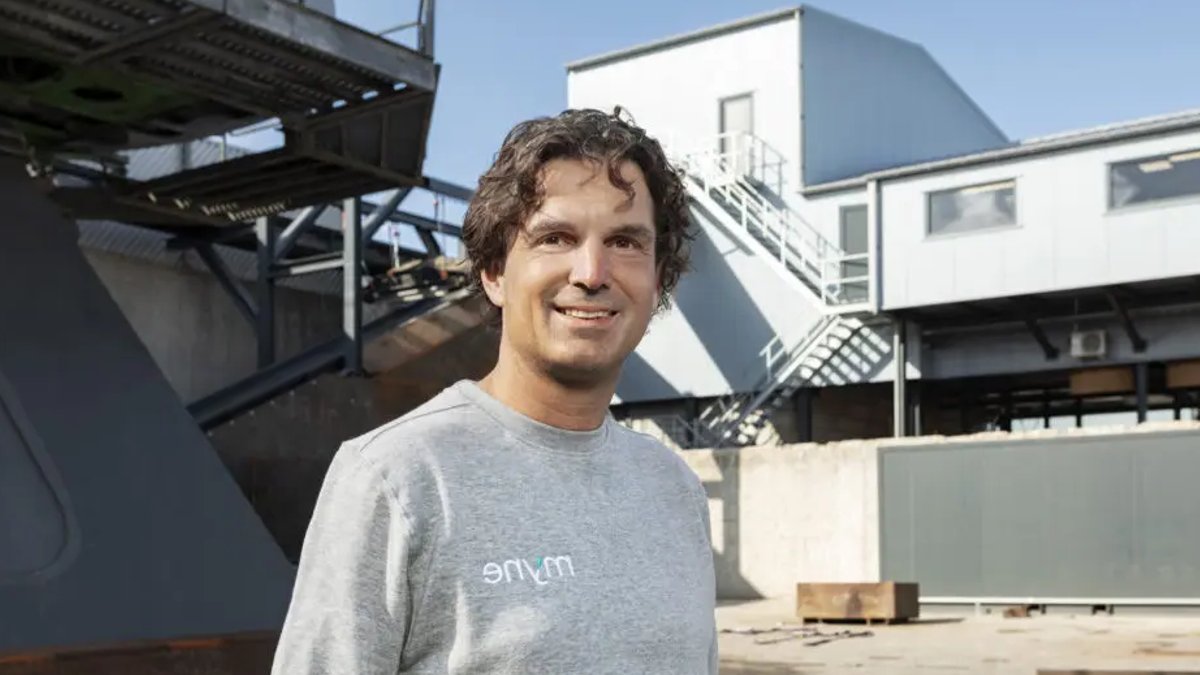
Marte van de Poll, chief executive of Myne Circular Metals in the Netherlands, has criticized the recycling industry body Recycling Europe over its opposition to stricter EU scrap export regulations. In a LinkedIn post, van de Poll argued that opponents of tighter controls on waste shipments present a false choice between environmental responsibility and market access.
Stricter Controls Seen as Investment Drivers
Van de Poll emphasized that stronger enforcement of the EU’s Waste Shipment Regulation (WSR) is necessary to stimulate investment in advanced recycling technologies. He stated that Europe should take responsibility for managing its own waste, including difficult-to-recycle fractions, rather than exporting environmental burdens elsewhere. According to him, a robust WSR would encourage innovation, create skilled jobs, and keep valuable raw materials within Europe, thereby enhancing industrial competitiveness.
The debate intensifies as the EU consults on the next phase of its revised WSR, which began in 2024. The European Commission has expanded its focus beyond aluminium-specific measures to include broader controls on recycled and non-hazardous metal scrap. These rules aim to increase domestic recycling and strengthen the supply of critical raw materials. Van de Poll contends that stricter export rules can coexist with international market access for high-quality recycled metals, pointing to the existing End-of-Waste framework as evidence.
Industry Dispute Over Market Access
Recycling Europe and other industry groups have warned that the revised WSR provisions, set to take effect in May 2027, could block access to international markets. Van de Poll disputes this, arguing that the sector comprises diverse business models and interests. He asserts that Myne Circular Metals, which has invested millions in artificial intelligence, sensors, robotics, and advanced separation technologies to recover high-quality aluminium and copper alloys, would benefit from stricter rules that prevent competitors from exporting lower-value waste prematurely.
He argues that without strict controls, companies like Myne Circular Metals face unfair competition from exports that bypass European recycling infrastructure. This dynamic, he claims, rewards trading over innovation and puts technology-driven recyclers at a disadvantage. In contrast, stricter export rules, he says, could strengthen the European market for secondary raw materials, support industrial jobs, and reduce raw-material vulnerabilities.
Strategic Recognition and Financing
Van de Poll’s stance gained additional support following Myne’s selection as a strategic project under the EU’s Critical Raw Materials Act. The recognition, he noted, could accelerate the company’s growth through improved access to financing, streamlined permitting processes, and expanded recycling capacity. He reiterated his message to EU Commissioner Stéphane Séjourné, urging policymakers not to abandon their ambition for stronger domestic recycling infrastructure.
Related Post: Stadler Opens Test Center in Germany to Boost Recycling Innovation
The core tension remains between preserving market access for recycled metals and ensuring that waste processing occurs domestically. Van de Poll maintains that international outlets are still necessary when the EU produces surpluses of recovered materials, but the quality of those materials must be prioritized over ease of export. His argument hinges on the idea that regulation, when well-designed, can drive both environmental and economic outcomes without sacrificing global competitiveness.


