


India building collapse leaves families facing medical costs without clear
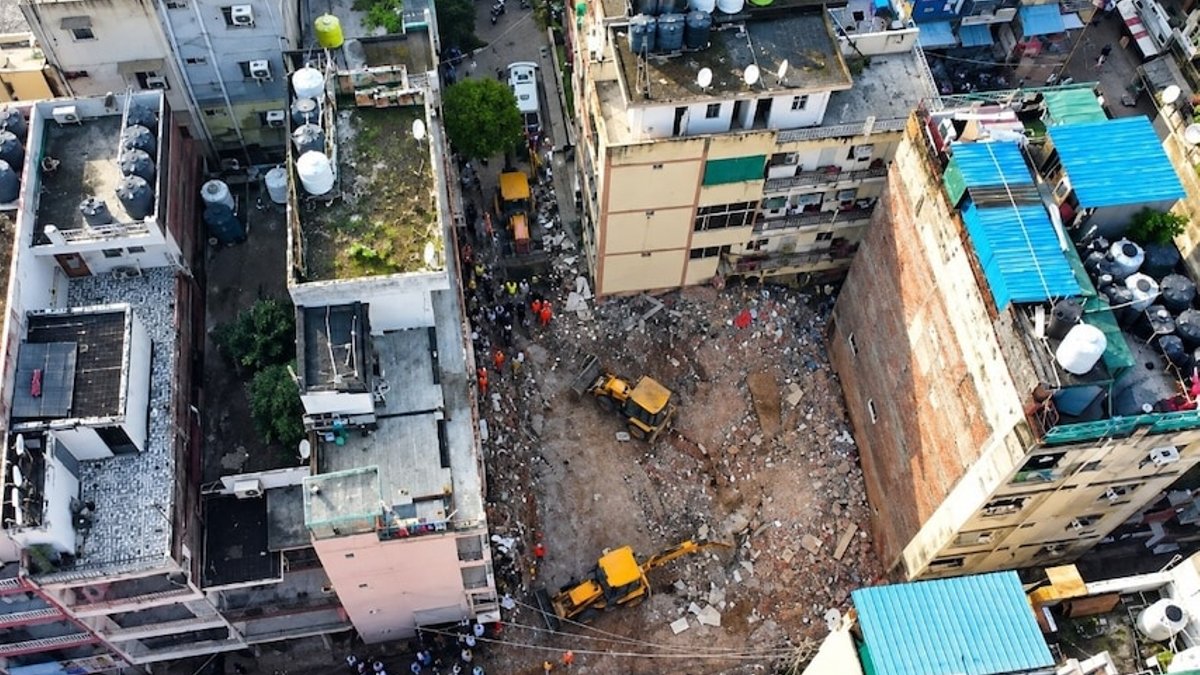
A building collapse in north Delhi’s Alipur area on Sunday exposed the twofold crisis families endure after such disasters: urgent medical needs and unexpected hospital expenses. This followed a five-story residential structure in Satya Niketan that collapsed on September 6, killing seven people and injuring six others. Most victims were students trapped in a private paying guest (PG) facility, sparking worries about safety and oversight in informal housing arrangements.
The incident laid bare systemic flaws in Delhi’s residential infrastructure. A recent assessment showed only 1.2% of buildings possess valid fire safety clearance, while fewer than 30% have approved construction plans. As official university hostels remain scarce, private PGs have proliferated without adequate regulation. Student groups and critics have raised concerns about the regulation and safety of such accommodation.
For affected families, health insurance can provide partial financial relief—but only if policy terms are met. Yogesh Agarwal, CEO of Onsurity, said health insurance coverage is generally determined by the nature of the injury and the treatment required, rather than simply by the fact that the injury resulted from a building collapse. “A building collapse is a devastating event, and in that moment, the last thing a family should have to worry about is whether the hospital bill will be paid,” Agarwal said. He added that if an insured person suffers accidental injuries requiring medically necessary hospitalisation, the expenses would typically be considered under the health policy, subject to the sum insured, policy terms and applicable exclusions.
Full health insurance policies generally cover hospital stays, surgeries, diagnostic tests, and prescribed medications when medically required, according to Arun Ramamurthy of Staywell.Health. However, non-medical expenses, outpatient services, or costs explicitly excluded by the policy will not be reimbursed. Personal accident insurance may offer supplementary protection, but policyholders must confirm their coverage details before an emergency arises.
Insurance professionals stress the importance of reviewing policy specifics, including sum insured, exclusions, cashless network partnerships, and claim procedures, before an accident occurs. With urbanization increasing exposure to risks, proper insurance coverage can alleviate the financial burden of emergency medical care. Delhi’s education minister has promised new PG safety regulations within 1.5 months.
The Satya Niketan collapse also uncovered that the facility operator managed seven PGs, paying ₹1 lakh monthly in lease costs. Rescue teams required hours to free trapped students, illustrating the severe consequences of unregulated construction. While insurance may address medical costs, stricter building inspections and hostel regulations could prevent future tragedies.


