


Sri Lanka’s Central Bank Chief Steers Post-Crisis Recovery
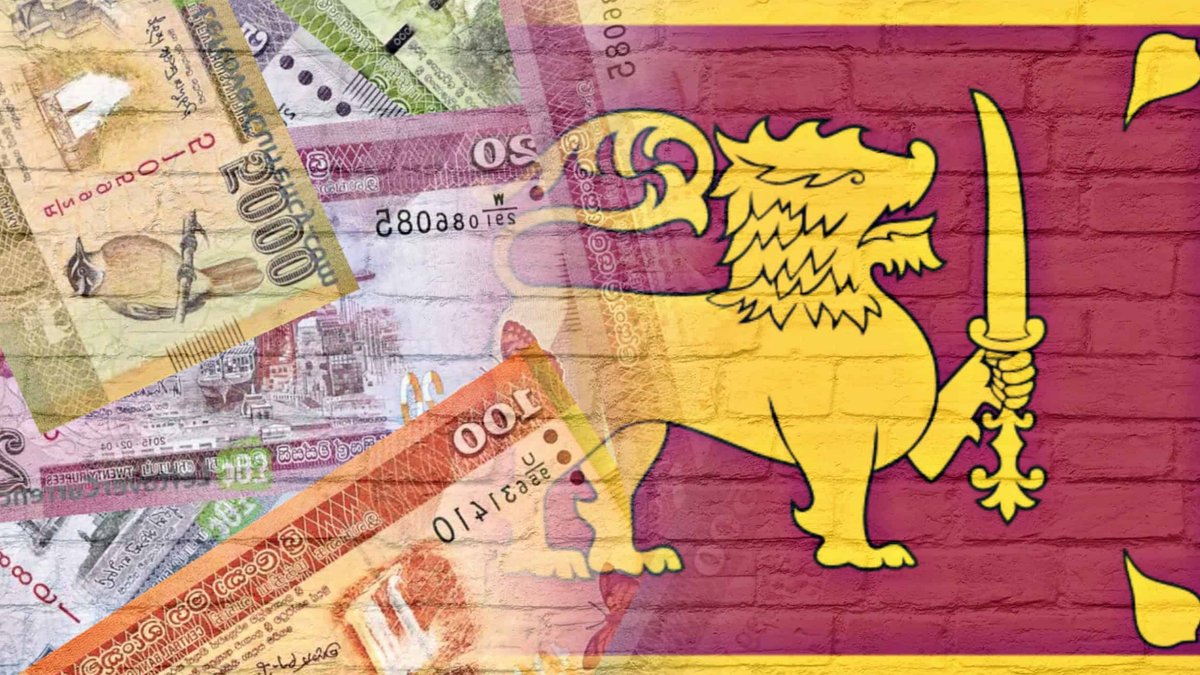
Nandalal Weerasinghe, governor of the Central Bank of Sri Lanka, has been at the helm since April 2022, delivering steady post-crisis stewardship amid new external supply shocks. He received a B+ in Global Finance’s October Central Banker Report Cards.
Weerasinghe achieved macroeconomic stabilization after Sri Lanka’s 2022 financial crisis. Headline inflation, which had been negative or near zero through much of 2025, turned positive, rising to 8% as of August, driven by energy price pressures linked to the Middle East conflict.
Macroeconomic Stability and Reform
Gross official reserves held firm at around $6.5 billion to $6.8 billion, their highest level since the crisis, supported by net FX purchases and IMF program inflows. These developments have burnished Weerasinghe’s credentials as a safe pair of hands.
According to Weerasinghe, a key improvement since the crisis has been the restoration of a more stable and predictable macroeconomic environment, supported by a full governance framework and reform agenda. This includes the new Public Financial Management Act, the new Central Bank of Sri Lanka Act, a strengthened anti-corruption framework, and progress on debt restructuring.
Monetary Policy and Inflation
Weerasinghe discussed the Central Bank’s monetary policy stance, tightened in May 2026 by raising the Overnight Policy Rate by 100 basis points to 8.75%. This move aimed to anchor inflation expectations and dampen second-round effects of the energy shock. He emphasized that monetary policy will remain focused on maintaining inflation at the target rate and will continue to be data-driven.
Economic growth has been robust, with real GDP growing by 5.1% and 4.2% in Q1 and Q2 2026, respectively, following two consecutive years of over 5% annual growth. Weerasinghe expects growth to be driven by growth-supportive reforms rather than short-term policy stimulus.
The Central Bank maintains a flexible, market-determined exchange rate regime in line with the Flexible Inflation Targeting (FIT) framework. Weerasinghe explained that interventions in the foreign exchange market primarily aim to minimize excessive volatility and support reserve accumulation, strengthening external sector buffers.
Read Also: Congo mining insurance costs surge sharply
From January to August 2026, the Central Bank purchased US$1.5 billion net from the domestic foreign exchange market. Weerasinghe noted that the bank will closely monitor global developments, particularly in the Middle East, and adjust the policy stance as the outlook evolves.
Weerasinghe also discussed Sri Lanka’s potential re-entry into international capital markets, framing it as a market-driven process rather than tied to a specific timeline. The government’s decision will depend on factors such as global market conditions.
The 2023 Central Bank Act has strengthened the institutional separation between monetary and fiscal policy, safeguarding the independence of the bank’s decision-making bodies. Weerasinghe emphasized that this act will support monetary discipline and financial stability in the long term.
Weerasinghe’s leadership and the Central Bank’s policies have contributed to Sri Lanka’s recovery and resilience. As the country faces external challenges, the bank’s role in maintaining stability and promoting growth remains vital.
Policy Discipline and Coordination
Weerasinghe stresses the importance of continued policy discipline and effective coordination in managing external shocks and sustaining recovery. He highlights that Sri Lanka’s ability to withstand recent shocks, such as Cyclone Ditwah and the ongoing Middle East conflict, demonstrates its improved resilience.
Exchange Rate Management and Reserves
Weerasinghe clarifies that decisions to buy or sell dollars are based on market conditions and stability needs. The bank prioritizes ensuring the exchange rate reflects economic fundamentals while avoiding sharp fluctuations.
Central Bank’s Role in Exchange Rate Management and Market Access
A first post-restructuring sovereign issue would require a stable macroeconomic environment and successful debt optimization. The Central Bank’s new governance structure, with separate Governing and Monetary Policy Boards, aims to protect its independence from fiscal or political pressures, ensuring monetary discipline.


