


Shippers explore Arctic route as Gulf tensions rise
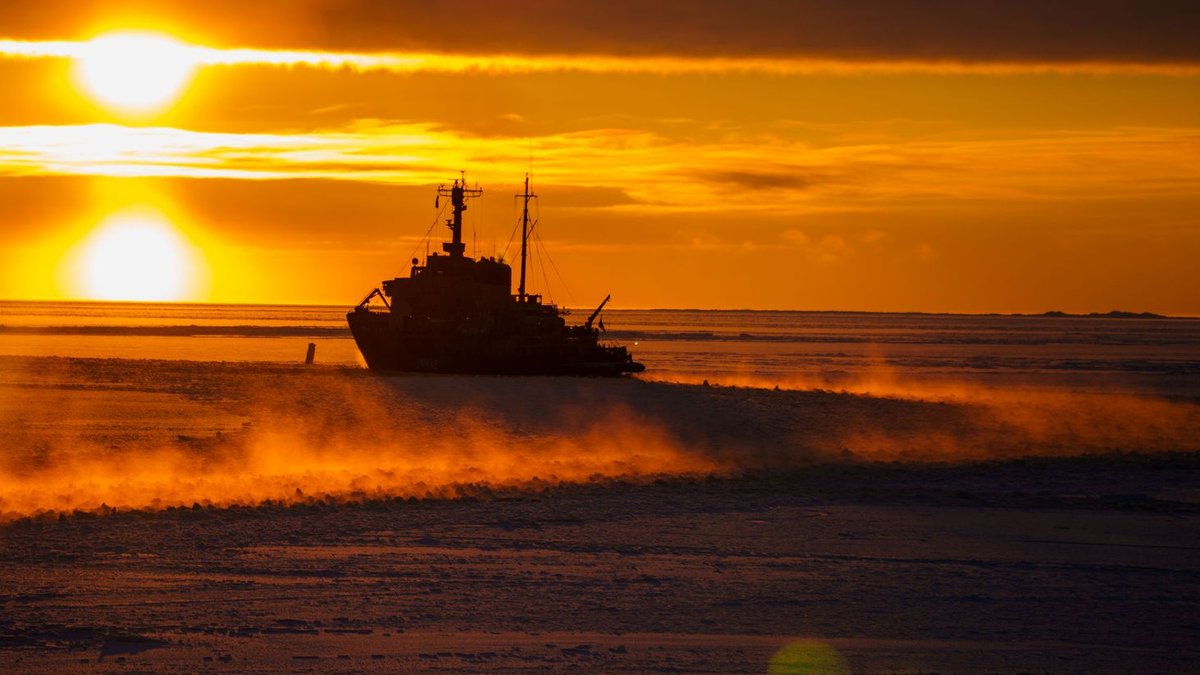
The Arctic Northern Sea Route (NSR) is becoming a practical option for Asian shippers after Middle East conflicts made established trade lanes less dependable. The ongoing tensions between the U.S. and Iran have reduced confidence in the Persian Gulf corridor, prompting businesses to investigate the NSR as a connection between Asia and Europe through the Russian Arctic.
In August alone, two significant vessels utilized the Arctic path. The container ship Pan Star Acro traveled from South Korea to ports in the U.K., Netherlands, and Poland, while the Dubai Tower, operated by the Chinese company Sea Legend, sailed from Qingdao to Teesport in the U.K. These movements marked a shift in shipping strategies.
Initially, the Suez Canal appeared to be the backup choice, but attacks by Yemen’s Houthi rebels on Red Sea shipping have diminished its reliability. The alternative route around the Cape of Good Hope extends transit times to 60–65 days for a journey from Shanghai to Le Havre, far exceeding the Suez Canal’s 40-day passage. The NSR, however, offers a faster alternative.
Jérôme de Ricqlès, a shipping analyst at Upply, states the Arctic route cuts travel time to just 20 days. While cost savings are a draw, risks persist. Allianz’s Safety and Shipping Review 2026 confirms rising interest but warns of machinery failures, territorial conflicts, and potential sanctions against Russia. The route’s operational window is also tightly constrained.
Read Also: Sri Lanka’s Central Bank Chief Steers Post-Crisis Recovery
Navigation through the NSR is only possible from August to October, requiring Kremlin approval and specialized icebreakers to escort ships. Sea Legend has announced plans for a weekly container service next summer, though the usable season remains brief, just eight weeks. Niels Rasmussen, chief shipping analyst at BIMCO, predicts the route will handle less than 0.5% of weekly volume between East and Southeast Asia and North Europe.
Despite its advantages, major shipping firms like Maersk, Mediterranean Shipping Co., CMA CGM, and Hapag-Lloyd have ruled out using the NSR. Their refusal stems from environmental concerns, though climate change could eventually extend the navigation season to six months within two decades. For now, the route’s limited capacity and infrastructure hold back broader adoption.
China’s role in the NSR’s development is significant. Its strong ties with Russia could accelerate polar shipping, though current operations rely on smaller vessels with capacities of 2,000 to 3,000 TEU. Future ships may include larger, nuclear-powered vessels, but ports like Gdynia, home to a terminal controlled by the Chinese conglomerate CK Hutchison, would need upgrades to support them.

Sri Lanka's Central Bank Chief Steers Post-Crisis Recovery


