


Kunal Shah to lead WhatsApp
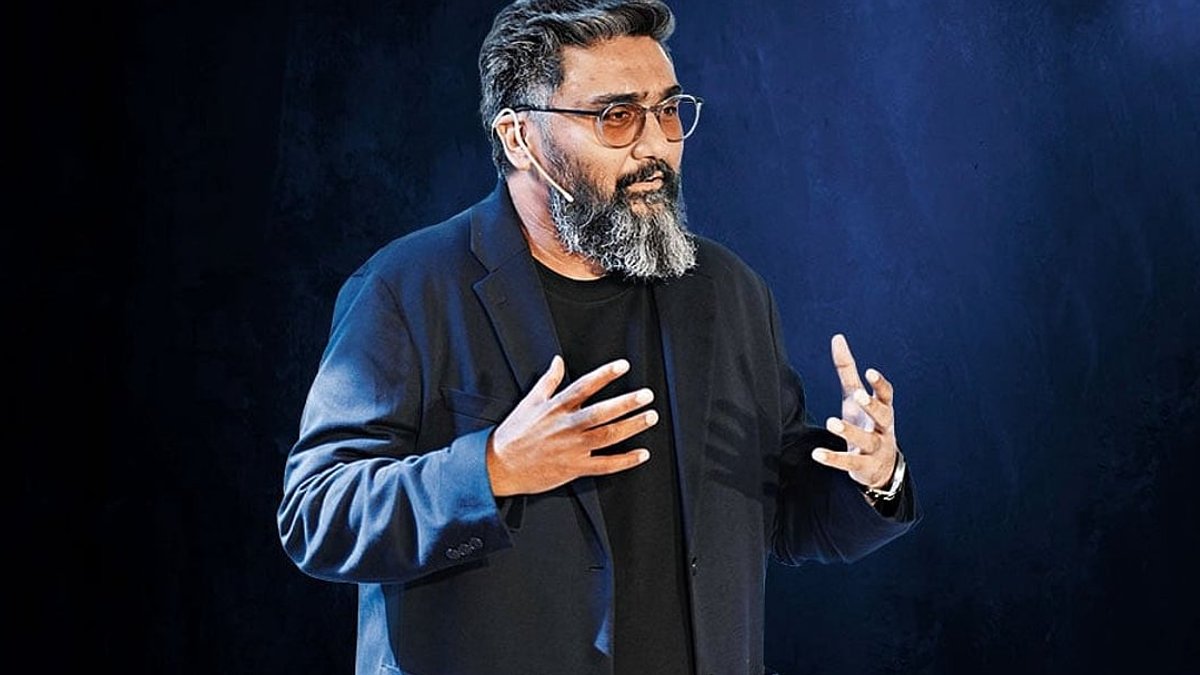
Meta has named Kunal Shah as the next head of WhatsApp, marking the first time an Indian founder will lead the world’s largest messaging platform.
Transition from Will Cathcart to Kunal Shah
Will Cathcart is stepping down after a decade‑long tenure that saw WhatsApp grow to more than 3 billion users worldwide, including about 100 million in the United States. The company announced that Cathcart will remain at Meta to develop new products from the ground up while overseeing a smooth handover to Shah.
Shah will leave his role as chief executive officer of CRED, a fintech platform that serves roughly 17 million monthly active users, to join Meta’s global leadership team. In a brief statement, Meta’s chief product officer Chris Cox said he personally approached the founder because of his “deep understanding of global product strategy” and his “ability to represent the perspectives of everyday users.”
Mark Zuckerberg added that Shah’s “builder mentality and global perspective” will help keep WhatsApp “the best service for billions of people and millions of businesses.” The announcement also noted a planned investment of about Rs 8,550 crore (roughly USD 900 million) in his fintech ventures.
Related: Manipal Health IPO closes 4.89x subscribed, signals 1% listing gain
India’s Central Role in WhatsApp’s Growth
India remains WhatsApp’s largest market, leading user metrics and serving as a key arena for business messaging and payments. The platform’s popularity there has driven Meta to prioritize local insight in its leadership. Shah’s background, which includes founding the pioneering online payment service FreeCharge more than ten years ago, aligns with that focus.
He is also known as India’s most prolific angel investor, having backed over 250 startups, many of which have become unicorns. Past advisory roles with Sequoia Capital India (now Peak XV) and Bennett Coleman and Co Ltd., as well as board positions at Pine Labs and the Internet and Mobile Association of India, give him a broad view of the tech ecosystem.
Cathcart’s era introduced Communities, Channels, and AI‑driven features, while also confronting privacy and security challenges. He defended user data against governmental requests, repelled spyware attacks, and secured a legal win against the NSO Group. Those efforts set a high bar for the incoming leader.
Shah’s own comments suggest he sees room for growth. “The delta between WhatsApp today and its full potential is massive,” he said, indicating a willingness to push the platform further.
Comparing this move to previous leadership changes at major tech firms shows a pattern: companies often bring in founders with deep product experience when they aim to expand services in fast‑growing markets. The appointment mirrors similar strategies at firms that have tapped successful entrepreneurs to steer legacy products into new revenue streams.
Related: Indonesia Undergraduate Pharmacy Education
What Lies Ahead for WhatsApp
Shah’s first tasks will likely involve strengthening WhatsApp’s role in payments and business communications, especially in India where the platform already supports a busy ecosystem of merchants and consumers. The promised investment could accelerate development of new features, though the exact allocation remains undisclosed.
Meta’s leadership transition appears orderly. Cathcart is guiding Shah through the handover, and both leaders have emphasized continuity. “We are fortunate to have him guide WhatsApp through this next era,” Cox said, expressing confidence in his ability to maintain momentum.
The broader impact of the shift will depend on how quickly WhatsApp can adapt to regulatory pressures and competition from regional messaging apps. His fintech background may help the service integrate more robust payment options, potentially reshaping how users interact with the app beyond text messaging.
For now, the focus remains on delivering a stable experience for the platform’s billions of users while exploring new avenues for growth.

Manipal Health IPO closes 4.89x subscribed, signals 1% listing gain


