


Egypt’s Banque Misr sells UAE unit to dodge US sanctions
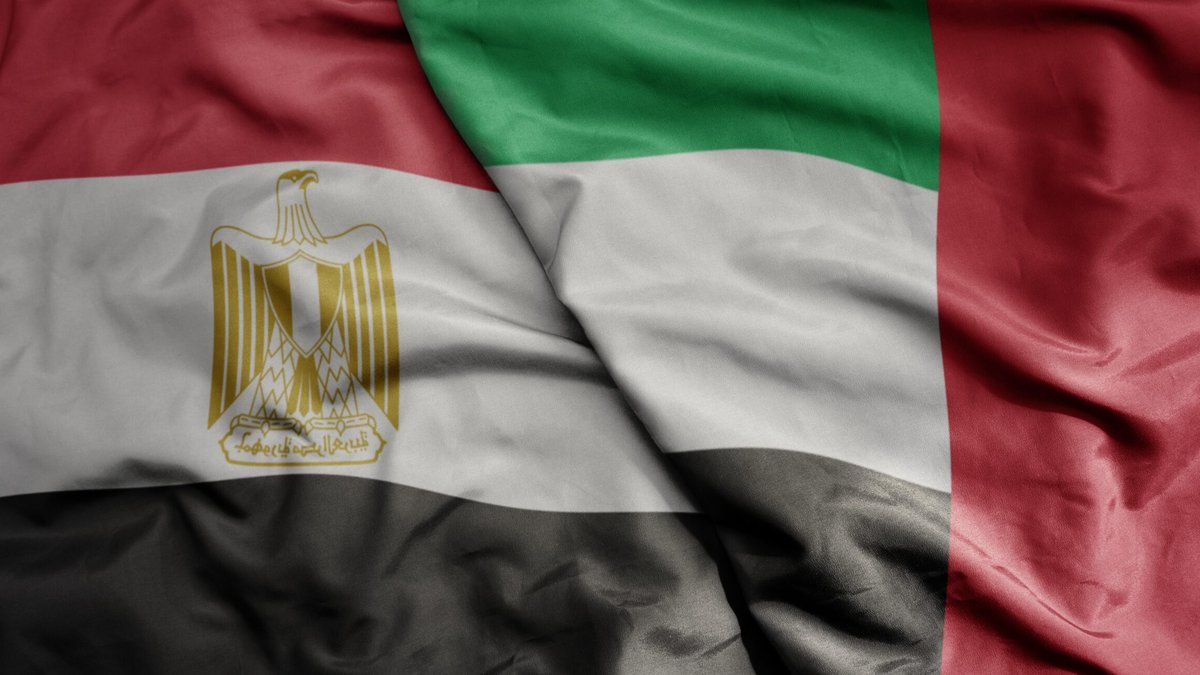
Egypt’s banking ties with the UAE face scrutiny as Banque Misr plans to sell its UAE operations to avoid U.S. sanctions. The move comes after the U.S. Treasury Department alleged that Banque Misr’s UAE subsidiary processed $1.8 billion for companies linked to the Iranian regime.
The sale to the National Bank of Egypt (NBE) aims to protect Egypt’s financial relationship with the Gulf Cooperation Council (GCC) nations. Over the past decade, GCC states have invested $106 billion in Egypt, making it the top recipient of Gulf investments, according to the UN Trade and Investment GCC Investment Report.
Deep-rooted Financial Ties
Egypt’s financial ties with the UAE are particularly strong, with bilateral trade reaching $9.7 billion last year, a 61.7% increase from 2024. The UAE is also home to an estimated one million Egyptians, whose remittances totaled $3.6 billion in 2025.
Samriddhi Vij, an associate fellow at the Observer Research Foundation Middle East, notes that efficient cross-border payment systems are critical for both countries to reduce transaction costs. This is reflected in the recent renewal of a 5 billion dirhams ($1.3 billion) currency swap between the Central Bank of Egypt and the Central Bank of the UAE.
The acquisition of Banque Misr’s UAE operations by NBE is a strategic move, as NBE’s presence in the UAE has been limited. This deal allows NBE to expand its footprint in the region, while also aligning with Egypt’s broader financial sector priorities.
Banque Misr, an Egyptian government-owned bank, has operated in the UAE for over five decades with five branches.
Strategic Acquisition for NBE
For NBE, the acquisition is a significant step towards strengthening its international presence. With only a single branch in the Dubai International Financial Center and a representative office in Dubai, NBE has had limited operations in the UAE.
The deal with Banque Misr provides NBE with an established network of five branches in the UAE, enabling it to better serve its customers and compete with other GCC banks operating in Egypt. Half of the 10 GCC banks in Egypt are UAE lenders, highlighting the importance of this market.


