


Economist warns of India’s deepening jobs crisis
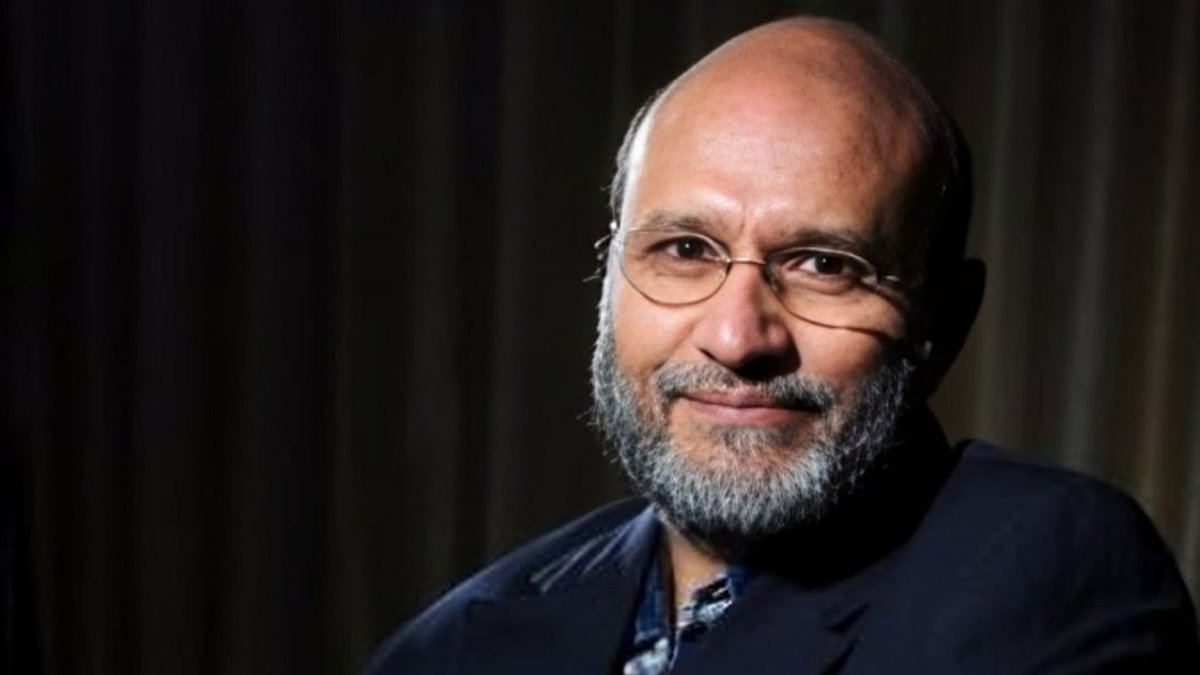
India’s economic growth is not generating sufficient jobs, a failure that could condemn the country to prolonged poverty, economist Santosh Mehrotra states. His recent book, India Out of Work: Rethinking India’s Growth Story, examines how weak industrial policy, rising inequality, and slowing household demand have trapped the economy in a cycle of low investment and jobless growth.
The situation carries significant risks. India’s working-age population is growing rapidly, a demographic shift that should drive economic progress. However, Mehrotra and co-author Jajati Parida calculate that the nation is producing only a fraction of the 10 to 12 million non-farm jobs required each year until 2047. Without these positions, household incomes stagnate, demand weakens, and businesses delay investment. The pattern creates a self-sustaining problem: fewer jobs reduce spending, which discourages further hiring.
The demographic dividend slipping away
From 2014 to 2024, India’s GDP expanded at an average annual rate of 6.2%, down from 6.8% in the previous decade. The slowdown is critical because these years coincided with a surge in the working-age population. China, by comparison, capitalized on its own demographic advantage with nearly a decade of 9-10% growth, raising per capita income to 5.3 times India’s current level.
Mehrotra cautions that India’s opportunity to replicate that success is narrowing. By 2040, the working-age population will begin to decline. If job creation does not accelerate in the next 15 years, the country faces a future where hundreds of millions remain in poverty. Even with 6.5% annual growth until 2044, per capita income would reach only $9,220—far below the $14,000 threshold for high-income status.
The World Bank periodically raises this benchmark, meaning India would need to grow even faster to keep pace.
Manufacturing’s missing role
The central issue, according to Mehrotra, is India’s inability to move workers from low-productivity agriculture into manufacturing. The pandemic worsened the situation.
Related: Shop-Vac Insufficient, Science Calls for Structural Drying
Rather than supporting industries that require more workers, the government has prioritized capital-heavy sectors through production-linked incentive schemes. These programs provide financial rewards to selected firms for expanding output. Mehrotra describes this as a “vertical” industrial policy—one that benefits large corporations over small businesses and labor-dependent industries like textiles, leather, and food processing.
Gender inequality adds another layer of difficulty. Social norms exclude millions of women from the workforce, limiting the country’s productive capacity. Combined with growing wealth disparities, these factors make it harder for India to escape the middle-income trap in time.
Employment data under scrutiny
Mehrotra also questions the government’s employment figures, arguing they present an overly optimistic view. The debate centers on how employment is defined. The government’s Periodic Labour Force Survey counts unpaid family labor and farm work as jobs, which inflates the numbers. The Centre for Monitoring the Indian Economy, following International Labour Organization standards, excludes such work, revealing a steeper decline in employment during the pandemic.
“When labor markets worldwide were disrupted, India appeared to be creating jobs miraculously,” Mehrotra notes. The difference is significant because policymakers cannot address a problem they do not measure accurately. Despite chairing the International Conference of Labour Statisticians in 2013, India has not adopted the ILO’s definitions.
Without reliable data, the true scale of the crisis remains hidden. Mehrotra warns that without a clear understanding of the issue, India’s goal of becoming a developed economy by 2047—reflected in the “Viksit Bharat” slogan—will stay out of reach. The next 15 years may be the country’s final opportunity to correct course.
If current trends continue, the impact will extend beyond economics. It will shape India’s identity, its global position, and the lives of future generations. The shift toward electric buses in public transport shows progress, but broader job creation remains essential to sustain growth.

Olectra Deploys 4000 Electric Buses in India


